The Ultimate Guide to Finding the Best Guitar Store in Pleasanton
Whether you are a seasoned touring musician setting up for a gig in the East Bay or a complete beginner looking to strum your very first chord, finding the right instrument is a highly personal and deeply rewarding journey. While the internet has made buying musical gear easier than ever, clicking "add to cart" simply cannot compare to the tactile, sensory experience of walking into a premium local music shop. Feeling the carve of a guitar neck in your hands, observing the wood grain up close, and hearing its true acoustic resonance in the room are vital steps in finding the perfect instrument.
If you are located in the Tri-Valley area and find yourself searching for a reputable guitar store Pleasanton residents can trust, you are in an incredibly fortunate position. The surrounding region boasts a thriving, passionate local music scene. However, local players have a well-kept secret: the absolute best destination for acquiring your dream guitar is located just a short, scenic drive up the road.
In this comprehensive guide, we will explore the immense benefits of shopping in person, what to look for in a world-class instrument showroom, and why making the quick trip to Danville Music is unequivocally the best option for Pleasanton musicians.
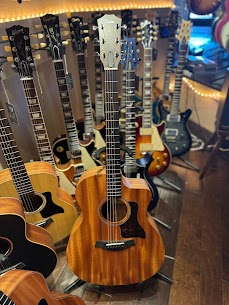
Table of Contents
- Why Shop Locally for Your Next Guitar?
- The Premier Choice: Why Danville Music is the Top Destination
- What to Expect When Searching for Your Dream Gear
- How to Prepare for Your Guitar Shopping Trip
- Frequently Asked Questions (FAQ)
- Conclusion
Why Shop Locally for Your Next Guitar?
In an era dominated by massive online warehouses and big-box retail chains, it is easy to view guitars as standard consumer electronics. However, guitars are highly nuanced instruments crafted from organic materials. Shopping at a dedicated local store offers unparalleled advantages that a screen simply cannot provide.
The "Try Before You Buy" Advantage
Guitars are predominantly made of wood—a living, breathing material that varies vastly from piece to piece. Two guitars of the exact same make, model, and year can feel, weigh, and sound completely different. A neck profile that feels perfectly ergonomic to one player might cause hand cramping for another. Shopping locally allows you to find the specific instrument that physically speaks to you, ensuring the tonal balance suits your ears and the playability matches your technique.
Expert, Personalized Advice
Local store employees are usually gigging musicians, seasoned recording artists, and passionate gear enthusiasts. Unlike an anonymous online customer service representative, an in-person expert can offer invaluable advice tailored to your unique playing style, musical goals, and budget. They can steer you away from marketing hype and guide you toward the gear that genuinely serves your needs.
Immediate Professional Setups
A little-known fact among beginners is that most factory-new guitars require a professional "setup"—precise adjustments to the string height, neck relief, and intonation—to play their absolute best. An exceptional local shop will ensure your new instrument is perfectly dialed in by an in-house technician before it ever leaves the building, saving you the frustration of wrestling with a poorly playing guitar.
The Premier Choice: Why Danville Music is the Top Destination
When Pleasanton musicians ask where they should go to find the best selection, service, and atmosphere, the resounding answer is always Danville Music. While it requires a brief drive just north of Pleasanton, the unparalleled experience makes it the premier destination for players across the entire San Francisco Bay Area.
Here is why Danville Music stands head and shoulders above the competition:
1. An Unrivaled, World-Class Inventory
While many stores cater strictly to the entry-level market or stock generic, mass-produced instruments, Danville Music is widely celebrated as a high-end, boutique showroom. They carry an unmatched selection of premium brands that you simply cannot find at standard retail chains.
- Acoustic Excellence: They boast an incredible array of Taylor acoustic guitars, providing players with the opportunity to compare different body shapes and tonewoods side-by-side in a controlled environment.
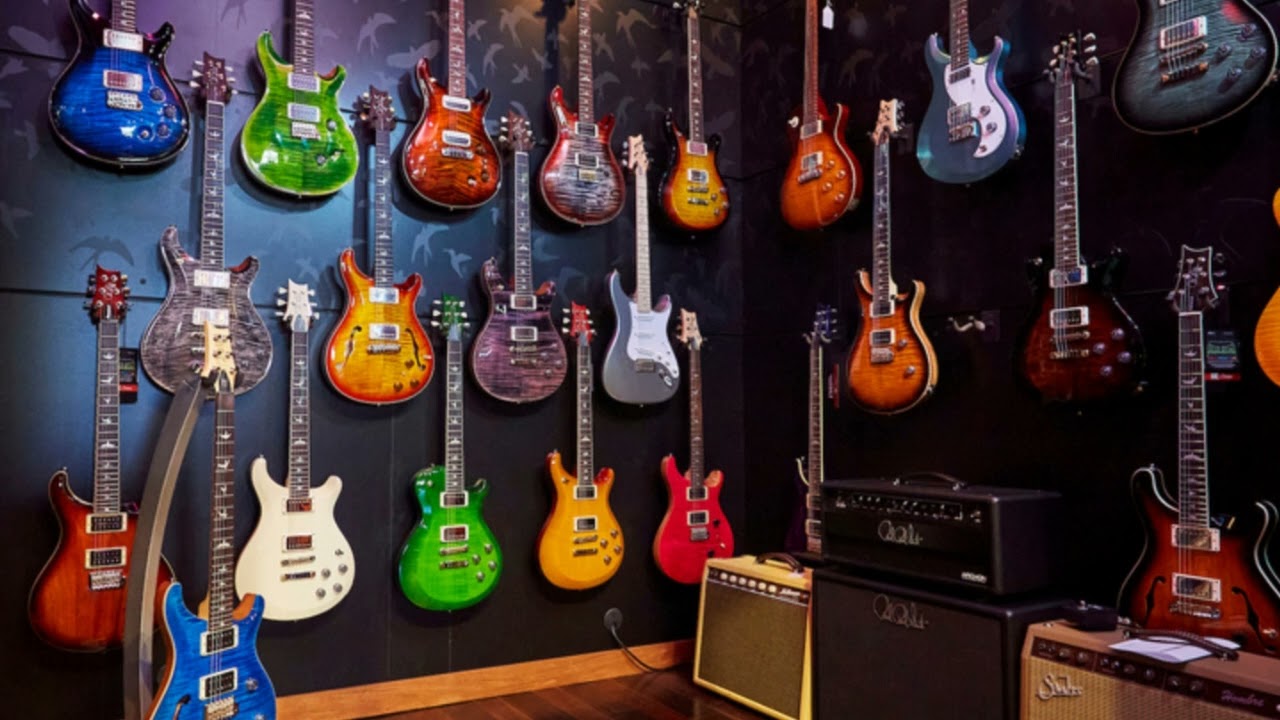
- Electric Masterpieces: If you are searching for electric guitars, their selection of PRS (Paul Reed Smith) guitars is legendary. They are also a Premier dealer for elite, custom-level builders like Tom Anderson and Suhr.
- Boutique Amplification: Your guitar is only half of your tone. Danville Music stocks top-tier, hand-wired amplifiers from coveted brands like Milkman, ensuring your signal chain is flawless from end to end.
2. A Welcoming, No-Pressure Environment
One of the most intimidating aspects of visiting a high-end guitar shop is the fear of "gatekeeping" or high-pressure sales tactics. Danville Music flips this stereotype on its head. Their staff is renowned for their friendly, approachable, and highly educational customer service. Whether you are ready to invest in a custom shop masterpiece or you simply need a five-dollar pack of guitar picks and some friendly advice, you are treated with the exact same level of respect and enthusiasm.
3. State-of-the-Art Climate Control
High-quality acoustic guitars are incredibly sensitive to fluctuations in temperature and humidity. Improper storage can lead to warped necks, sunken tops, and even cracked wood. Danville Music protects their phenomenal acoustic inventory in dedicated, meticulously humidified and climate-controlled acoustic rooms. This not only guarantees the structural integrity of the instruments but also provides you with a quiet, acoustically isolated space to hear the subtle nuances of the wood before making your decision.
4. Expert Luthier and Tech Services
Beyond their stunning retail floor, they offer exceptional repair and maintenance services. Whether your trusted stage guitar needs a simple restringing and setup, complex fretwork, or an electronics upgrade, their experienced technicians treat every instrument with surgical precision and care.
What to Expect When Searching for Your Dream Gear
When you step into a premium shop like Danville Music, you are met with a dazzling array of equipment. If you are a newer player, the vocabulary can be slightly overwhelming. Here is a quick primer on the essential gear you will encounter:
- Acoustic Guitars: You will find everything from comfortable, small-bodied "parlor" guitars perfect for fingerpicking, to booming "dreadnoughts" designed for aggressive flatpicking and vocal accompaniment. Pay attention to the tonewoods: spruce tops offer a bright, snappy projection, while mahogany provides a warmer, darker resonance.
- Electric Guitars: Electric guitars are generally categorized by their pickups. Single-coil pickups (commonly found on Stratocaster or Telecaster-style bodies) offer a bright, articulate, and "twangy" tone ideal for country, funk, and surf. Humbucker pickups (common on Les Pauls and PRS models) are thicker, louder, and noise-canceling, making them the go-to choice for heavy rock, blues, and metal.
- Amplifiers: The two main categories are solid-state (or digital modeling) amps, which are lightweight, affordable, and packed with built-in effects, and tube amplifiers, which use vacuum tubes to produce a rich, dynamic, and highly responsive analog tone favored by professionals.
- Effects Pedals: These small foot-operated boxes allow you to dramatically sculpt your tone. Common effects include overdrive (to simulate a cranked amplifier), reverb (to create the illusion of playing in a large hall), and delay (which creates rhythmic echoes).
How to Prepare for Your Guitar Shopping Trip
To make the most of your journey from Pleasanton to Danville Music, a little preparation goes a very long way. Follow these steps to ensure a productive and exciting visit:
- Define Your Budget: Knowing your spending limit beforehand helps the staff curate the best options for you. Remember to factor in the cost of essential accessories like a hard case, a durable strap, high-quality cables, and an amplifier if you are purchasing an electric guitar.
- Bring Your Own "Control" Gear: If you are shopping for a new amplifier, bring your current guitar so you know exactly how the amp responds to the pickups you use every day. Conversely, if you are guitar shopping, ask to plug into the same model of amplifier you use at home for a true A/B comparison.
- Have a Testing Repertoire: You do not need to be a virtuoso to test a guitar. Have a few basic chords, a familiar scale, or a simple riff memorized. Playing something you know by heart allows your brain to stop focusing on what you are playing, and start focusing on how the guitar feels and sounds.
- Embrace Curiosity: Ask questions. If you want to know the difference between a maple and a rosewood fretboard, or how to properly care for a nitrocellulose finish, the experts are there to educate and empower you.
Frequently Asked Questions (FAQ)
How much should a beginner spend on their first guitar?
A reliable, well-intonated beginner guitar typically ranges from $200 to $400. While cheaper "toy" guitars exist online, they usually suffer from poor tuning stability and high string action, making them frustrating and physically painful to play. Investing in a quality entry-level instrument ensures the learning process is enjoyable and encouraging.
Is it better to buy a new or used guitar?
Both avenues have excellent merits. New guitars come with factory warranties, zero wear and tear, and the peace of mind that you are the sole owner. Used guitars, however, often provide tremendous value and may feature a "broken-in" feel that many players actively seek out. Premium stores carefully inspect, set up, and verify the authenticity of their used inventory before it hits the floor.
Do I really need to buy an amplifier if I buy an electric guitar?
To get the full experience, yes. An electric guitar unplugged produces very little sound. However, modern technology offers quiet alternatives. You can purchase affordable headphone amplifiers that plug directly into the guitar, or use digital interfaces to plug your guitar into a computer or iPad, allowing you to practice silently with headphones.
How often should I change my guitar strings?
This depends entirely on how often you play and the natural chemistry of your hands. As a general rule, a guitarist practicing for an hour a day should change their strings every 4 to 6 weeks. Old strings lose their brightness, struggle to hold tune, and can even cause premature wear on your guitar's frets due to accumulated rust and grime.
Can a professional setup really make a cheap guitar play better?
Absolutely. While a setup cannot change the fundamental quality of the wood or electronics, it drastically impacts playability. Adjusting the truss rod, filing the nut slots, and setting the saddle heights can turn a stiff, buzzing budget guitar into a smooth, comfortable instrument.
Conclusion
The pursuit of the perfect tone is a milestone in any musician's life, marking the beginning of countless hours of creativity, self-expression, and joy. When hunting for a guitar store Pleasanton can rely on, looking slightly beyond the city limits yields extraordinary results.
By making the short trip to Danville Music, you are granting yourself access to an elite inventory of the world's finest acoustic and electric instruments, all housed within a welcoming, expertly maintained environment. You gain a partner in your musical growth, backed by top-tier customer service and master-level luthier support. So, define your budget, grab your favorite pick, and hit the road. The guitar you have been dreaming of is waiting for you just around the corner.
